

A Beginner’s Guide to Sustainable Living in Modern Urban Spaces
Sustainable living is no longer a niche concept—it’s a necessity, especially in modern urban environments where resources are limited and environmental pressures are high. The good news is that living sustainably in a city doesn’t require a complete lifestyle overhaul.
With the right approach, even small changes can help reduce your environmental impact while improving your quality of life.
This beginner’s guide will walk you through practical, achievable steps to embrace sustainable living in modern urban spaces.
What Is Sustainable Living?
Sustainable living means making choices that reduce your impact on the environment while supporting long-term ecological balance.
In urban settings, this often involves:
- Reducing energy and water consumption
- Minimising waste
- Choosing eco-friendly products
- Making smarter transport decisions
It’s about living efficiently and responsibly within a shared environment.
Why Sustainability Matters in Urban Areas
Cities consume a large share of global energy and produce significant waste. As urban populations grow, sustainable practices become even more critical.
Key benefits include:
- Reduced environmental impact
- Lower living costs over time
- Healthier living conditions
- Stronger, more resilient communities
Urban sustainability helps create cleaner, more liveable cities for everyone.
1. Start with Energy Efficiency
Energy use is one of the biggest contributors to environmental impact in urban homes.
Simple steps:
- Switch to LED lighting
- Turn off unused appliances
- Use energy-efficient devices
Even small adjustments can lead to noticeable savings.
2. Reduce Water Consumption
Water is a valuable resource, especially in densely populated areas.
Try this:
- Take shorter showers
- Fix leaks immediately
- Install water-saving fixtures
Being mindful of water use helps conserve resources and reduce bills.
3. Minimise Waste
Urban living often leads to higher waste production, but it can be managed effectively.
Focus on:
- Recycling regularly
- Avoiding single-use plastics
- Composting where possible
Reducing waste helps ease pressure on landfills and the environment.
4. Choose Sustainable Transport
Transportation is a major factor in urban emissions.
Better options include:
- Walking or cycling
- Using public transport
- Car-sharing or ride-sharing
These choices reduce pollution and often save money.
5. Make Smarter Shopping Choices
What you buy has a direct impact on sustainability.
Look for:
- Local and seasonal products
- Eco-friendly packaging
- Durable, long-lasting items
Buying less but choosing better makes a big difference.
6. Create a Greener Living Space
Even small apartments can support sustainability.
Ideas:
- Add indoor plants
- Use natural materials
- Maximise natural light
A greener space improves air quality and overall wellbeing.
7. Use Eco-Friendly Products
Switching to sustainable alternatives reduces environmental harm.
Examples:
- Biodegradable cleaning products
- Reusable household items
- Low-impact personal care products
These changes are easy to implement and highly effective.
8. Be Mindful of Food Choices
Food consumption plays a major role in sustainability.
Consider:
- Reducing food waste
- Eating more plant-based meals
- Supporting local producers
Small dietary changes can have a significant environmental impact.
9. Get Involved in Your Community
Sustainability is more powerful when done collectively.
You can:
- Join local environmental initiatives
- Support green policies
- Share knowledge with others
Community action helps amplify individual efforts.
10. Build Sustainable Habits Over Time
The key to success is consistency, not perfection.
Start with:
- One or two changes at a time
- Setting realistic goals
- Tracking your progress
Sustainable living is a journey that evolves over time.
Common Challenges (and How to Overcome Them)
Limited Space
Use multi-functional items and vertical storage to maximise efficiency.
Higher Upfront Costs
Focus on long-term savings and gradual upgrades.
Lack of Awareness
Stay informed and continue learning about sustainable practices.
Final Thoughts
Sustainable living in modern urban spaces is both achievable and impactful. By making conscious choices in how you use resources, manage waste, and interact with your environment, you can contribute to a more sustainable future.
Start small, stay consistent, and build habits that support both your lifestyle and the planet.

How to Improve Energy Efficiency in Everyday Spaces
Improving energy efficiency isn’t just about cutting costs—it’s about creating smarter, more sustainable spaces that benefit both people and the environment. From homes and offices to shared community areas, small changes can lead to significant energy savings over time.
In this guide, we’ll explore practical ways to improve energy efficiency in everyday spaces, helping you reduce waste, lower bills, and support a more sustainable future.
Why Energy Efficiency Matters
Energy efficiency means using less energy to achieve the same results. It plays a crucial role in reducing environmental impact and improving overall sustainability.
Key benefits include:
- Lower energy bills
- Reduced carbon footprint
- Improved comfort and usability
- Longer lifespan of appliances and systems
- Contribution to environmental conservation
1. Upgrade to Energy-Efficient Lighting
Lighting accounts for a significant portion of energy use in most spaces.
What to do:
- Replace traditional bulbs with LED lighting
- Use motion sensors in low-traffic areas
- Maximise natural light during the day
LED bulbs use less energy and last much longer than standard lighting options.

2. Optimise Heating and Cooling Systems
Heating and cooling are often the biggest energy consumers.
Improve efficiency by:
- Regularly servicing HVAC systems
- Using programmable or smart thermostats
- Sealing drafts around doors and windows
Maintaining consistent indoor temperatures reduces unnecessary energy usage.
3. Improve Insulation
Proper insulation keeps warm air in during winter and out during summer.
Focus on:
- Walls and loft spaces
- Windows and doors
- Flooring where applicable
Good insulation reduces reliance on heating and cooling systems.
4. Use Energy-Efficient Appliances
Modern appliances are designed to consume less energy while maintaining performance.
Look for:
- High energy ratings
- Eco modes and smart features
- Appliances suited to your space size
Upgrading outdated equipment can lead to immediate energy savings.
5. Reduce Standby Power Usage
Many devices consume energy even when not in active use.
Simple fixes:
- Unplug devices when not needed
- Use smart power strips
- Turn off equipment at the wall
This helps eliminate unnecessary “phantom” energy consumption.
6. Maximise Natural Light and Ventilation
Reducing reliance on artificial systems can significantly improve efficiency.
Tips:
- Arrange furniture to allow light flow
- Use light-coloured interiors to reflect light
- Open windows for natural ventilation when possible
This creates a more comfortable and energy-efficient environment.
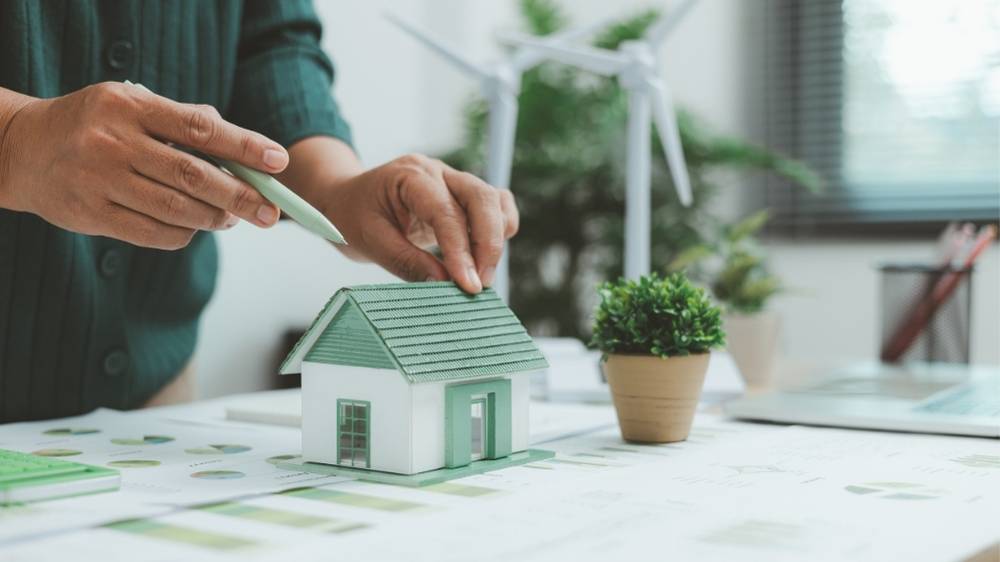
7. Install Smart Controls and Automation
Smart technology can optimise how energy is used.
Examples include:
- Smart thermostats
- Automated lighting systems
- Energy monitoring tools
These systems help track and reduce energy usage in real time.
8. Maintain Equipment Regularly
Poorly maintained systems use more energy and perform less efficiently.
Regular maintenance includes:
- Cleaning filters and vents
- Checking for system faults
- Scheduling routine servicing
Preventative care ensures optimal performance and energy savings.
9. Encourage Energy-Conscious Behaviour
Technology alone isn’t enough—people play a key role.
Promote habits like:
- Turning off lights when leaving a room
- Using appliances efficiently
- Being mindful of energy consumption
Small behavioural changes can have a big impact.
10. Monitor and Review Energy Usage
Tracking energy use helps identify areas for improvement.
You can:
- Review utility bills regularly
- Use energy monitoring tools
- Set reduction targets
Continuous monitoring ensures long-term efficiency gains.
Common Mistakes to Avoid
When improving energy efficiency, avoid these pitfalls:
- Ignoring insulation and building structure
- Delaying maintenance
- Over-relying on technology without behaviour change
- Using outdated appliances
- Failing to track progress
A balanced approach delivers the best results.
Final Thoughts
Improving energy efficiency in everyday spaces doesn’t require major overhauls. By combining smart technology, practical upgrades, and mindful habits, you can create spaces that are both cost-effective and environmentally responsible.
For individuals, businesses, and communities alike, energy efficiency is a key step toward a more sustainable future.

10 Simple Ways to Create a More Sustainable Living Environment
Creating a more sustainable living environment doesn’t require drastic lifestyle changes. In fact, small, consistent actions can make a significant impact over time—both for the planet and your everyday quality of life.
Whether you’re a homeowner, tenant, or part of a wider community initiative, these simple steps can help you reduce your environmental footprint and contribute to a healthier, more sustainable future.
Why Sustainable Living Matters
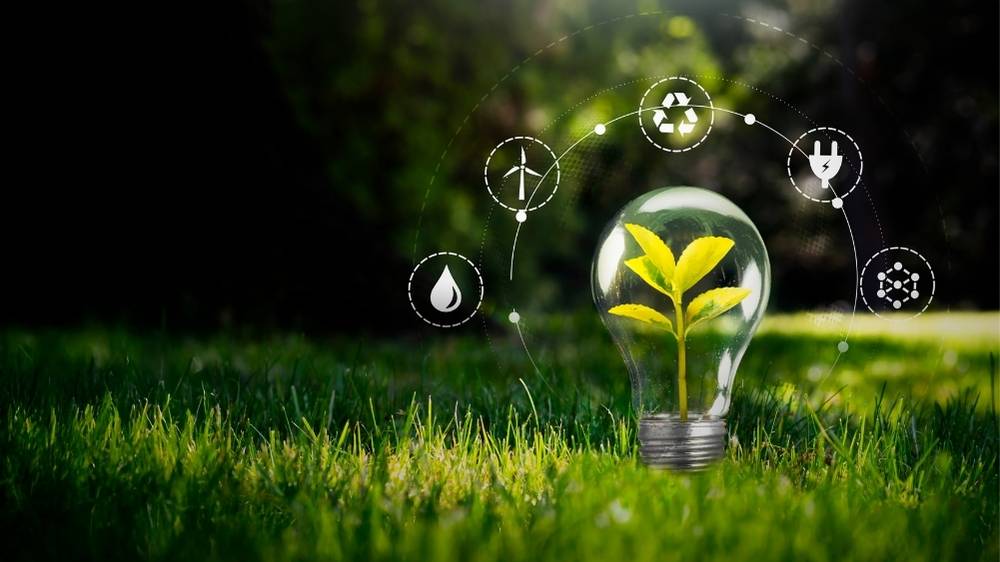
Sustainable living is about reducing the use of natural resources, minimizing waste, and making environmentally conscious choices.
By adopting sustainable habits, you can:
- Lower your energy consumption
- Reduce household waste
- Save money on utilities
- Improve indoor and outdoor living conditions
- Support long-term environmental health
1. Reduce Energy Consumption at Home
One of the easiest ways to live more sustainably is by using less energy.
Simple changes include:
- Switching to LED lighting
- Turning off appliances when not in use
- Using energy-efficient appliances
These small adjustments can significantly lower your carbon footprint.
2. Minimise Water Waste
Water conservation is essential for sustainability.
Try this:
- Fix leaks promptly
- Install low-flow showerheads
- Turn off taps when brushing teeth
Every drop saved contributes to a more sustainable environment.
3. Cut Down on Single-Use Plastics
Single-use plastics are a major environmental issue.
Swap them for:
- Reusable shopping bags
- Refillable water bottles
- Sustainable packaging alternatives
Reducing plastic use helps protect ecosystems and wildlife.
4. Improve Home Insulation
Proper insulation keeps your home warmer in winter and cooler in summer, reducing the need for excessive heating or cooling.
This not only saves energy but also lowers utility bills.
5. Recycle and Compost
Managing waste effectively is key to sustainability.
- Separate recyclable materials
- Compost food waste where possible
- Reduce landfill contributions
Composting also enriches soil and supports local ecosystems.
6. Choose Sustainable Materials
When renovating or decorating, opt for eco-friendly materials such as:
- Reclaimed wood
- Bamboo
- Recycled products
These materials reduce environmental impact and often last longer.
7. Support Local and Sustainable Products
Buying locally sourced goods reduces transportation emissions and supports local economies.
Look for:
- Seasonal produce
- Ethical brands
- Environmentally responsible suppliers

8. Use Green Cleaning Products
Traditional cleaning products can contain harmful chemicals.
Switch to eco-friendly alternatives that are:
- Non-toxic
- Biodegradable
- Safer for indoor air quality
9. Incorporate Plants into Your Space
Indoor and outdoor plants improve air quality and enhance wellbeing.
They also contribute to biodiversity and create a more natural living environment.
10. Adopt Sustainable Habits Daily
Sustainability is built on everyday choices.
Start with:
- Walking or cycling instead of driving
- Reducing food waste
- Being mindful of consumption
Consistency is key—small actions lead to meaningful change.
Tips for Long-Term Sustainability
To maintain a sustainable lifestyle:
- Set realistic goals
- Involve your household or community
- Track your progress
- Stay informed about eco-friendly practices
Sustainability is a journey, not a one-time effort.
Final Thoughts
Creating a more sustainable living environment doesn’t have to be complicated. By making simple, intentional changes, you can reduce your environmental impact while improving your quality of life.
Over time, these small steps add up—helping build a cleaner, greener future for everyone.