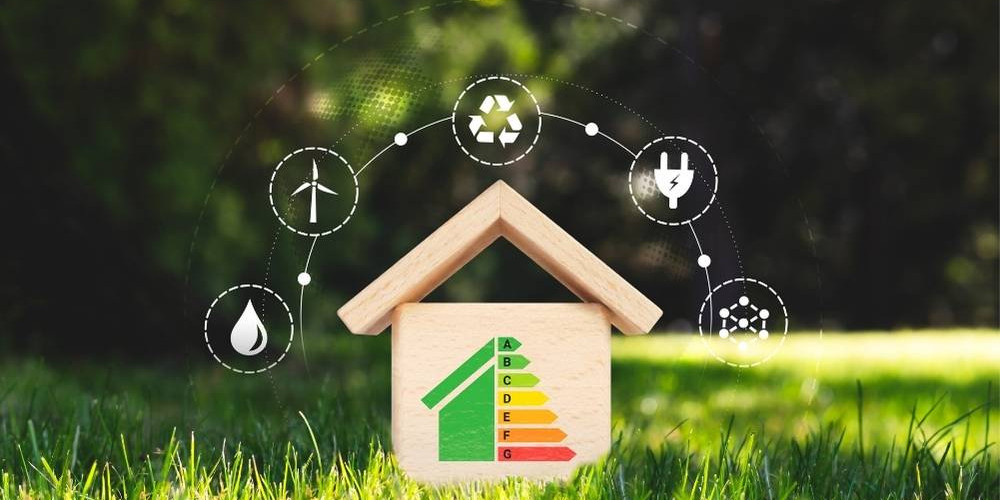
Sustainable living is no longer a niche concept—it’s a necessity, especially in modern urban environments where resources are limited and environmental pressures are high. The good news is that living sustainably in a city doesn’t require a complete lifestyle overhaul.
With the right approach, even small changes can help reduce your environmental impact while improving your quality of life.
This beginner’s guide will walk you through practical, achievable steps to embrace sustainable living in modern urban spaces.
What Is Sustainable Living?
Sustainable living means making choices that reduce your impact on the environment while supporting long-term ecological balance.
In urban settings, this often involves:
- Reducing energy and water consumption
- Minimising waste
- Choosing eco-friendly products
- Making smarter transport decisions
It’s about living efficiently and responsibly within a shared environment.
Why Sustainability Matters in Urban Areas
Cities consume a large share of global energy and produce significant waste. As urban populations grow, sustainable practices become even more critical.
Key benefits include:
- Reduced environmental impact
- Lower living costs over time
- Healthier living conditions
- Stronger, more resilient communities
Urban sustainability helps create cleaner, more liveable cities for everyone.
1. Start with Energy Efficiency
Energy use is one of the biggest contributors to environmental impact in urban homes.
Simple steps:
- Switch to LED lighting
- Turn off unused appliances
- Use energy-efficient devices
Even small adjustments can lead to noticeable savings.
2. Reduce Water Consumption
Water is a valuable resource, especially in densely populated areas.
Try this:
- Take shorter showers
- Fix leaks immediately
- Install water-saving fixtures
Being mindful of water use helps conserve resources and reduce bills.
3. Minimise Waste
Urban living often leads to higher waste production, but it can be managed effectively.
Focus on:
- Recycling regularly
- Avoiding single-use plastics
- Composting where possible
Reducing waste helps ease pressure on landfills and the environment.

4. Choose Sustainable Transport
Transportation is a major factor in urban emissions.
Better options include:
- Walking or cycling
- Using public transport
- Car-sharing or ride-sharing
These choices reduce pollution and often save money.
5. Make Smarter Shopping Choices
What you buy has a direct impact on sustainability.
Look for:
- Local and seasonal products
- Eco-friendly packaging
- Durable, long-lasting items
Buying less but choosing better makes a big difference.
6. Create a Greener Living Space
Even small apartments can support sustainability.
Ideas:
- Add indoor plants
- Use natural materials
- Maximise natural light
A greener space improves air quality and overall wellbeing.
7. Use Eco-Friendly Products
Switching to sustainable alternatives reduces environmental harm.
Examples:
- Biodegradable cleaning products
- Reusable household items
- Low-impact personal care products
These changes are easy to implement and highly effective.
8. Be Mindful of Food Choices
Food consumption plays a major role in sustainability.
Consider:
- Reducing food waste
- Eating more plant-based meals
- Supporting local producers
Small dietary changes can have a significant environmental impact.
9. Get Involved in Your Community
Sustainability is more powerful when done collectively.
You can:
- Join local environmental initiatives
- Support green policies
- Share knowledge with others
Community action helps amplify individual efforts.
10. Build Sustainable Habits Over Time
The key to success is consistency, not perfection.
Start with:
- One or two changes at a time
- Setting realistic goals
- Tracking your progress
Sustainable living is a journey that evolves over time.
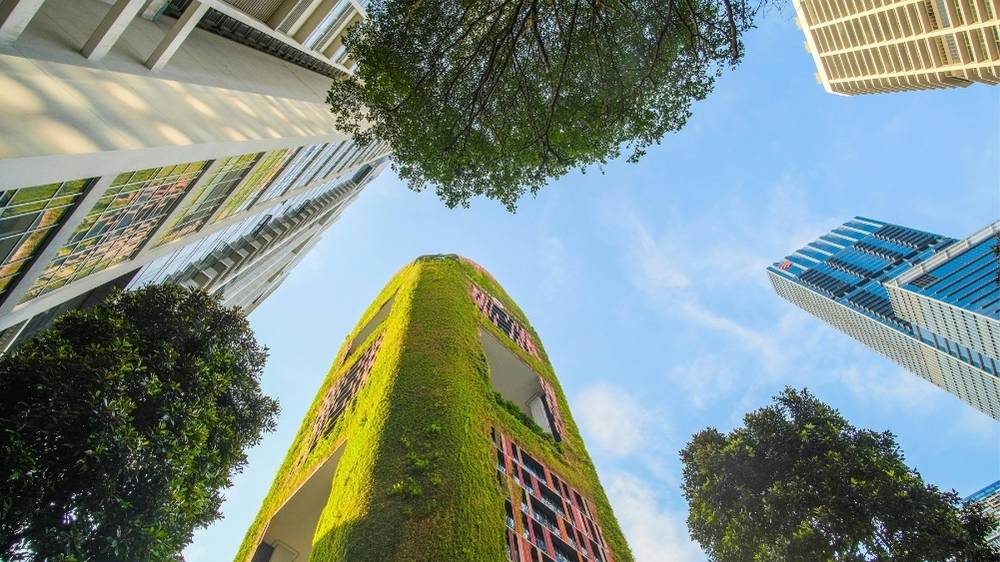
Common Challenges (and How to Overcome Them)
Limited Space
Use multi-functional items and vertical storage to maximise efficiency.
Higher Upfront Costs
Focus on long-term savings and gradual upgrades.
Lack of Awareness
Stay informed and continue learning about sustainable practices.
Final Thoughts
Sustainable living in modern urban spaces is both achievable and impactful. By making conscious choices in how you use resources, manage waste, and interact with your environment, you can contribute to a more sustainable future.
Start small, stay consistent, and build habits that support both your lifestyle and the planet.