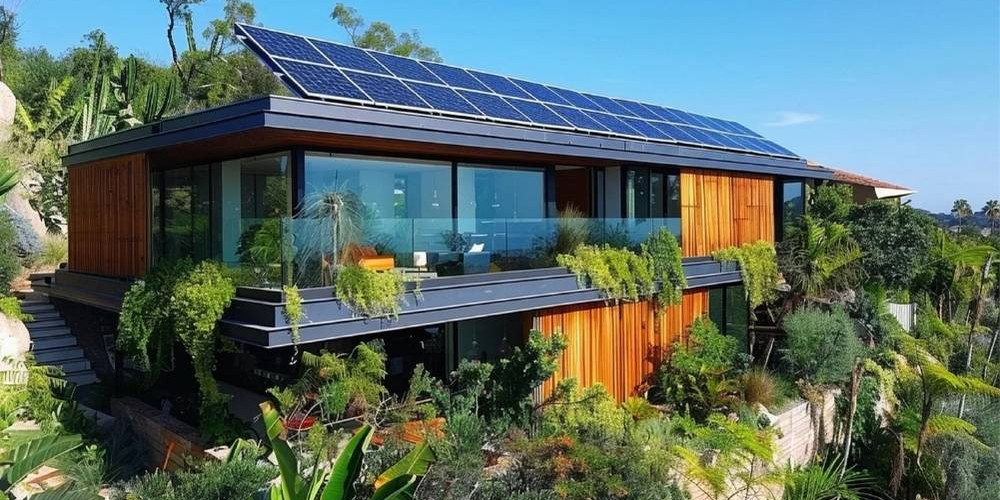
Improving energy efficiency isn’t just about cutting costs—it’s about creating smarter, more sustainable spaces that benefit both people and the environment. From homes and offices to shared community areas, small changes can lead to significant energy savings over time.
In this guide, we’ll explore practical ways to improve energy efficiency in everyday spaces, helping you reduce waste, lower bills, and support a more sustainable future.
Why Energy Efficiency Matters
Energy efficiency means using less energy to achieve the same results. It plays a crucial role in reducing environmental impact and improving overall sustainability.
Key benefits include:
- Lower energy bills
- Reduced carbon footprint
- Improved comfort and usability
- Longer lifespan of appliances and systems
- Contribution to environmental conservation
1. Upgrade to Energy-Efficient Lighting
Lighting accounts for a significant portion of energy use in most spaces.
What to do:
- Replace traditional bulbs with LED lighting
- Use motion sensors in low-traffic areas
- Maximise natural light during the day
LED bulbs use less energy and last much longer than standard lighting options.
2. Optimise Heating and Cooling Systems
Heating and cooling are often the biggest energy consumers.
Improve efficiency by:
- Regularly servicing HVAC systems
- Using programmable or smart thermostats
- Sealing drafts around doors and windows
Maintaining consistent indoor temperatures reduces unnecessary energy usage.
3. Improve Insulation
Proper insulation keeps warm air in during winter and out during summer.
Focus on:
- Walls and loft spaces
- Windows and doors
- Flooring where applicable
Good insulation reduces reliance on heating and cooling systems.
4. Use Energy-Efficient Appliances
Modern appliances are designed to consume less energy while maintaining performance.
Look for:
- High energy ratings
- Eco modes and smart features
- Appliances suited to your space size
Upgrading outdated equipment can lead to immediate energy savings.
5. Reduce Standby Power Usage
Many devices consume energy even when not in active use.
Simple fixes:
- Unplug devices when not needed
- Use smart power strips
- Turn off equipment at the wall
This helps eliminate unnecessary “phantom” energy consumption.
6. Maximise Natural Light and Ventilation
Reducing reliance on artificial systems can significantly improve efficiency.
Tips:
- Arrange furniture to allow light flow
- Use light-coloured interiors to reflect light
- Open windows for natural ventilation when possible
This creates a more comfortable and energy-efficient environment.
7. Install Smart Controls and Automation
Smart technology can optimise how energy is used.
Examples include:
- Smart thermostats
- Automated lighting systems
- Energy monitoring tools
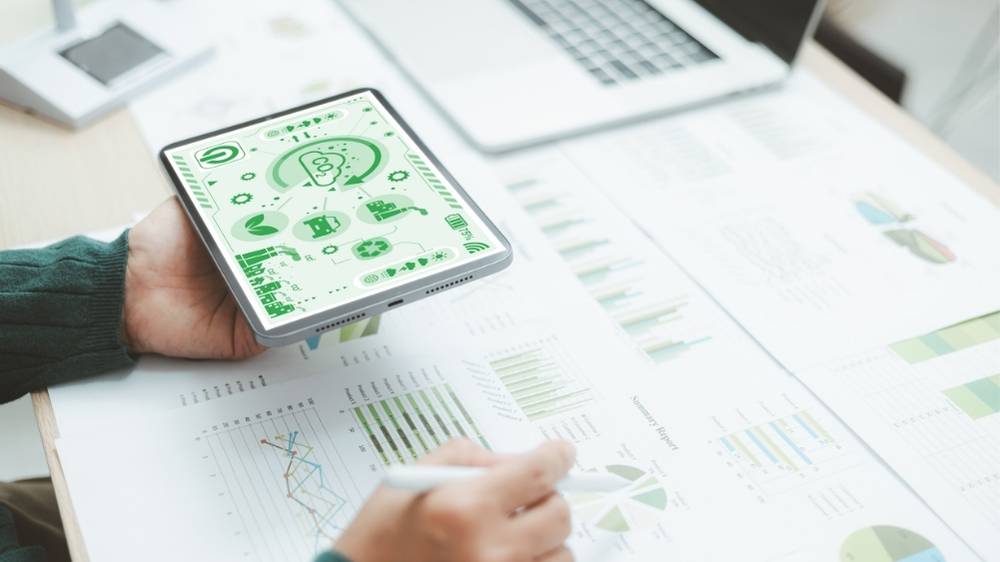
These systems help track and reduce energy usage in real time.
8. Maintain Equipment Regularly
Poorly maintained systems use more energy and perform less efficiently.
Regular maintenance includes:
- Cleaning filters and vents
- Checking for system faults
- Scheduling routine servicing
Preventative care ensures optimal performance and energy savings.
9. Encourage Energy-Conscious Behaviour
Technology alone isn’t enough—people play a key role.
Promote habits like:
- Turning off lights when leaving a room
- Using appliances efficiently
- Being mindful of energy consumption
Small behavioural changes can have a big impact.
10. Monitor and Review Energy Usage
Tracking energy use helps identify areas for improvement.
You can:
- Review utility bills regularly
- Use energy monitoring tools
- Set reduction targets
Continuous monitoring ensures long-term efficiency gains.
Common Mistakes to Avoid
When improving energy efficiency, avoid these pitfalls:
- Ignoring insulation and building structure
- Delaying maintenance
- Over-relying on technology without behaviour change
- Using outdated appliances
- Failing to track progress
A balanced approach delivers the best results.
Final Thoughts
Improving energy efficiency in everyday spaces doesn’t require major overhauls. By combining smart technology, practical upgrades, and mindful habits, you can create spaces that are both cost-effective and environmentally responsible.
For individuals, businesses, and communities alike, energy efficiency is a key step toward a more sustainable future.