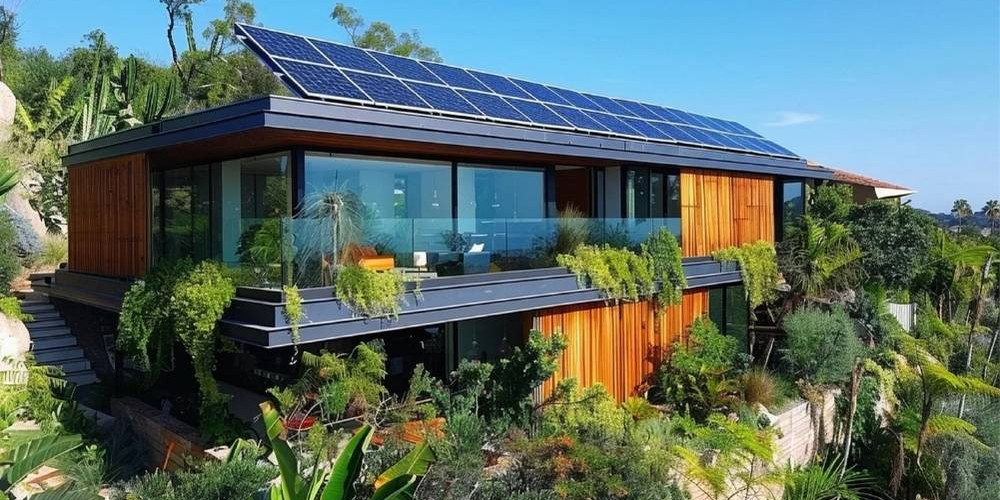
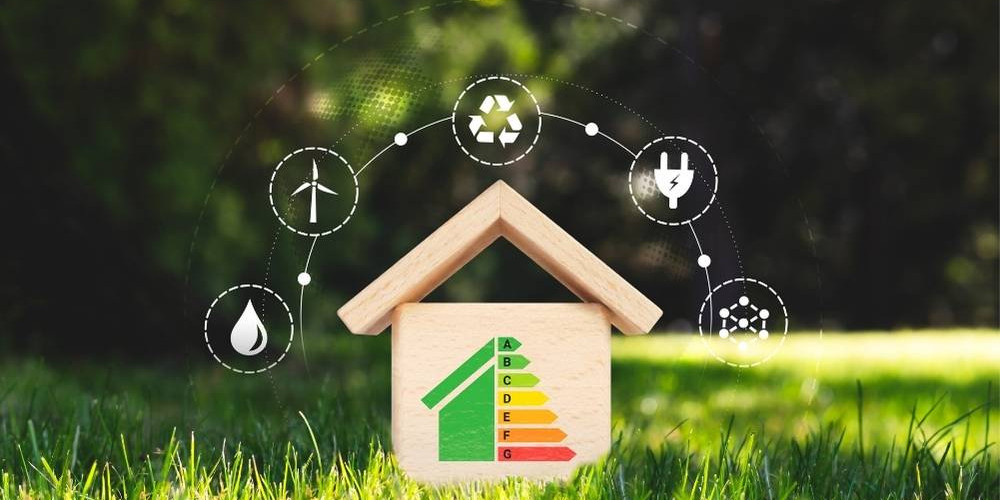
Creating a more sustainable living environment doesn’t require drastic lifestyle changes. In fact, small, consistent actions can make a significant impact over time—both for the planet and your everyday quality of life.
Whether you’re a homeowner, tenant, or part of a wider community initiative, these simple steps can help you reduce your environmental footprint and contribute to a healthier, more sustainable future.
Why Sustainable Living Matters
Sustainable living is about reducing the use of natural resources, minimizing waste, and making environmentally conscious choices.
By adopting sustainable habits, you can:
- Lower your energy consumption
- Reduce household waste
- Save money on utilities
- Improve indoor and outdoor living conditions
- Support long-term environmental health
1. Reduce Energy Consumption at Home
One of the easiest ways to live more sustainably is by using less energy.
Simple changes include:
- Switching to LED lighting
- Turning off appliances when not in use
- Using energy-efficient appliances
These small adjustments can significantly lower your carbon footprint.
2. Minimise Water Waste
Water conservation is essential for sustainability.
Try this:
- Fix leaks promptly
- Install low-flow showerheads
- Turn off taps when brushing teeth
Every drop saved contributes to a more sustainable environment.
3. Cut Down on Single-Use Plastics
Single-use plastics are a major environmental issue.
Swap them for:
- Reusable shopping bags
- Refillable water bottles
- Sustainable packaging alternatives
Reducing plastic use helps protect ecosystems and wildlife.
4. Improve Home Insulation
Proper insulation keeps your home warmer in winter and cooler in summer, reducing the need for excessive heating or cooling.
This not only saves energy but also lowers utility bills.
5. Recycle and Compost
Managing waste effectively is key to sustainability.
- Separate recyclable materials
- Compost food waste where possible
- Reduce landfill contributions
Composting also enriches soil and supports local ecosystems.
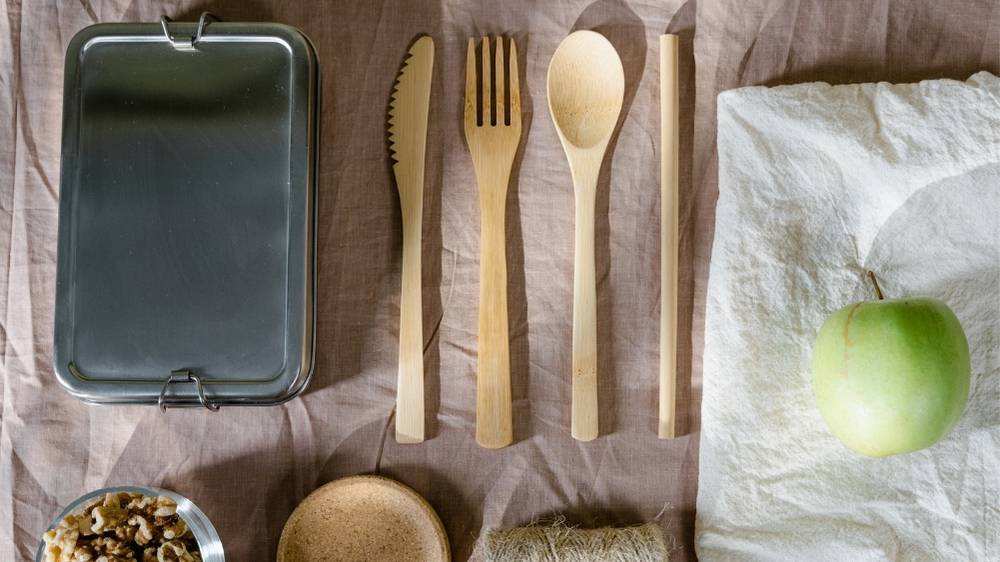
6. Choose Sustainable Materials
When renovating or decorating, opt for eco-friendly materials such as:
- Reclaimed wood
- Bamboo
- Recycled products
These materials reduce environmental impact and often last longer.
7. Support Local and Sustainable Products
Buying locally sourced goods reduces transportation emissions and supports local economies.
Look for:
- Seasonal produce
- Ethical brands
- Environmentally responsible suppliers
8. Use Green Cleaning Products
Traditional cleaning products can contain harmful chemicals.
Switch to eco-friendly alternatives that are:
- Non-toxic
- Biodegradable
- Safer for indoor air quality
9. Incorporate Plants into Your Space
Indoor and outdoor plants improve air quality and enhance wellbeing.
They also contribute to biodiversity and create a more natural living environment.
10. Adopt Sustainable Habits Daily
Sustainability is built on everyday choices.
Start with:
- Walking or cycling instead of driving
- Reducing food waste
- Being mindful of consumption
Consistency is key—small actions lead to meaningful change.
Tips for Long-Term Sustainability
To maintain a sustainable lifestyle:
- Set realistic goals
- Involve your household or community
- Track your progress
- Stay informed about eco-friendly practices
Sustainability is a journey, not a one-time effort.
Final Thoughts
Creating a more sustainable living environment doesn’t have to be complicated. By making simple, intentional changes, you can reduce your environmental impact while improving your quality of life.
Over time, these small steps add up—helping build a cleaner, greener future for everyone.